Stop Talking About It
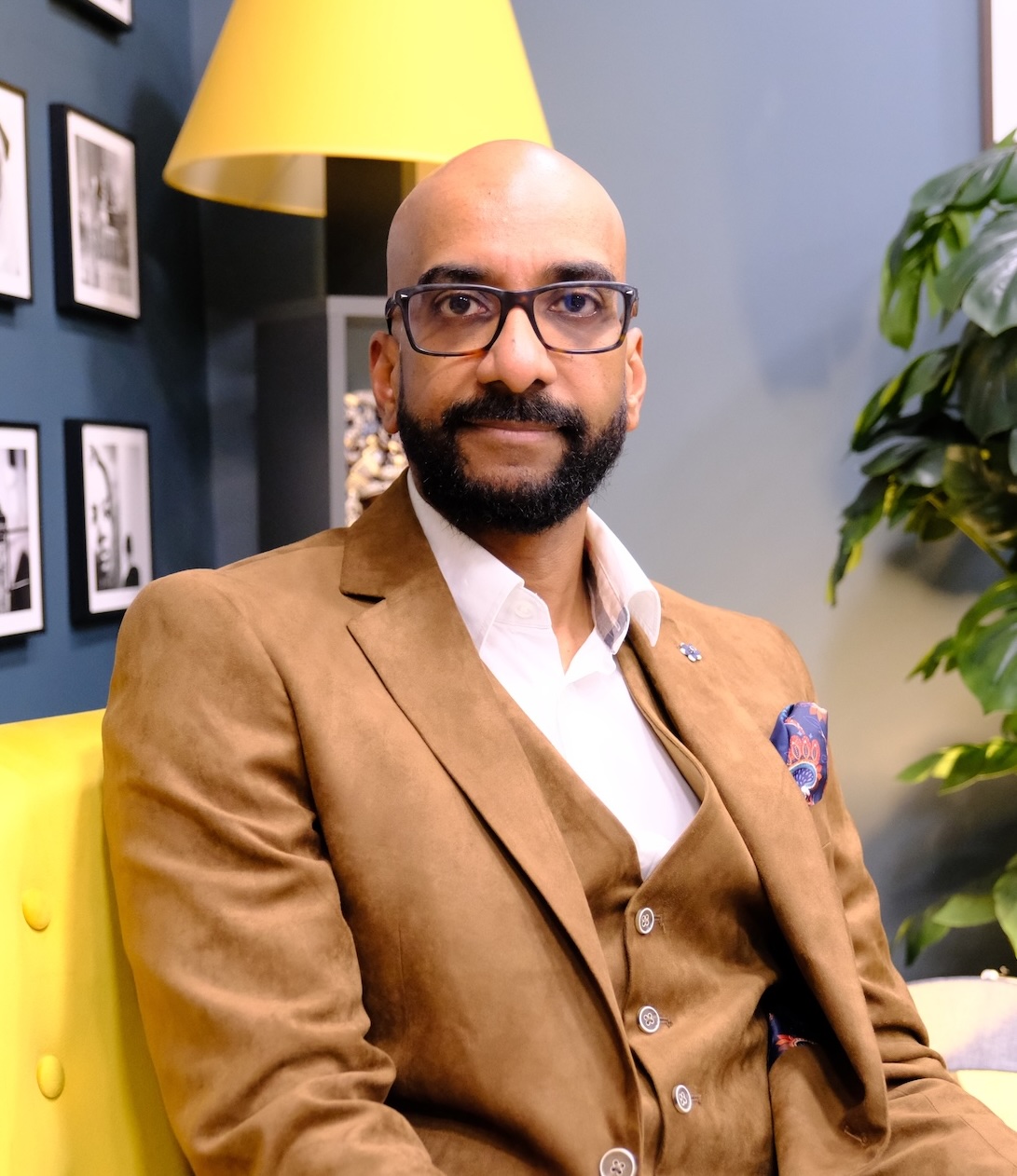 Mash Bonigala
 I meet founders every week. Calls, coffees, intros from my network. Most of them are sharp. Many of them have ideas that could genuinely work. A few of them have ideas that could be enormous.
Almost none of them will build anything.
I know this within the first ten minutes. I can hear it in the way they talk. The ones who will build sound different from the ones who will talk about building. And after thirty years, I have stopped confusing one for the other.
The talker’s tell
The founders who never execute share a specific quality. They describe their company in the future tense. Everything is going to happen. We are going to launch. We are going to hire. We are going to raise. We are going to disrupt. The language is always forward-facing because there is nothing behind them to point to.
Ask them what they did last week and the answer is another meeting. Another call. Another deck revision. Another conversation with a potential co-founder. Another round of “refining the strategy.” The activity is constant. The output is zero.
I had a founder on a call three weeks ago who told me he had been working on his startup for two years. Two years. I asked him to show me the product. He sent me a Figma prototype and a pitch deck. No code. No customers. No revenue. No landing page with a sign-up form. Two years of “working on it” and the sum total of the work was a set of drawings and a PowerPoint.
He wanted me to help him raise a seed round.
The capital excuse
The most common reason I hear for why a founder has not started building is money. I do not have the capital to hire a developer. I do not have the capital to quit my job. I do not have the capital to run ads. I am waiting for funding before I can start.
I have heard this hundreds of times and it is almost never true. What is true is that starting without capital is frightening and uncomfortable and requires making sacrifices that most people would rather avoid. It means building the first version yourself, badly, on weekends. It means keeping your day job and working until midnight. It means launching something rough and unfinished and letting real people use it before it is ready.
I started my first company with nothing. Literally nothing. No savings, no investors, no safety net. I built the first product myself because there was no one else to build it. It was terrible. Customers used it anyway because it solved a problem they had. That terrible first version generated enough revenue to hire one person. That one person helped me build something less terrible. And the cycle continued for twenty-eight years.
Capital is fuel. It accelerates a fire that already exists. If there is no fire, the capital has nothing to accelerate. And the fire is built by doing things, not by talking about doing things.
The real blocker
I have spent a long time thinking about why smart, capable people with genuine ideas fail to execute. The capital excuse is a surface explanation. Underneath it is something harder to admit.
Building is painful. Talking about building is pleasurable. The founder who spends two years refining a deck and taking meetings is getting a steady dopamine supply from describing their vision to people who respond positively. Every meeting feels like progress. Every conversation feels like momentum. The vision gets sharper, the language gets tighter, the deck gets more polished. All of this feels like work because it requires effort. But effort without output is just motion.
The moment you stop talking and start building, the dopamine disappears. You are alone with a blank screen and a problem you do not fully know how to solve. The thing you build will be ugly. People will criticise it. Some of them will ignore it entirely. The gap between the vision in your head and the reality on the screen will be so wide that it feels humiliating.
That humiliation is the price of building. Every founder who has ever shipped anything real has paid it. The ones who talk instead of build are the ones who looked at that price and decided it was too high.
What I tell them
When a founder comes to me and spends forty minutes describing their vision without showing me a single thing they have built, I give them one piece of advice. Build something this week. Not next month. Not after the raise. This week.
It does not need to be good. It does not need to be complete. It does not need to be the final product. It needs to exist. A landing page with a form that collects email addresses. A spreadsheet that delivers the service manually. A WhatsApp group where you solve the problem by hand for ten people. Anything that moves the idea from a conversation into the world.
If you cannot do that, you do not have a startup. You have a hobby that looks like a startup from the outside. And no amount of capital, advice, introductions, or strategy sessions will change that.
The founders who build
The founders I invest in share one quality that overrides everything else. They have built something before I met them. It might be small. It might be rough. It might be laughably early. But it exists. Somebody is using it. Money has changed hands, even if the amount is trivial.
That is the signal. Not the deck, not the TAM slide, not the advisory board, not the LinkedIn following. The signal is evidence that this person can take an idea and turn it into something that exists in the world and that another human being has found valuable enough to use.
Everything else can be taught. Fundraising can be learned. Sales can be learned. Management can be learned. The willingness to build something ugly and put it in front of people before you are ready cannot be taught. You either have it or you are still talking about having it.
I am tired of the talking. Show me what you built.