The First Believer
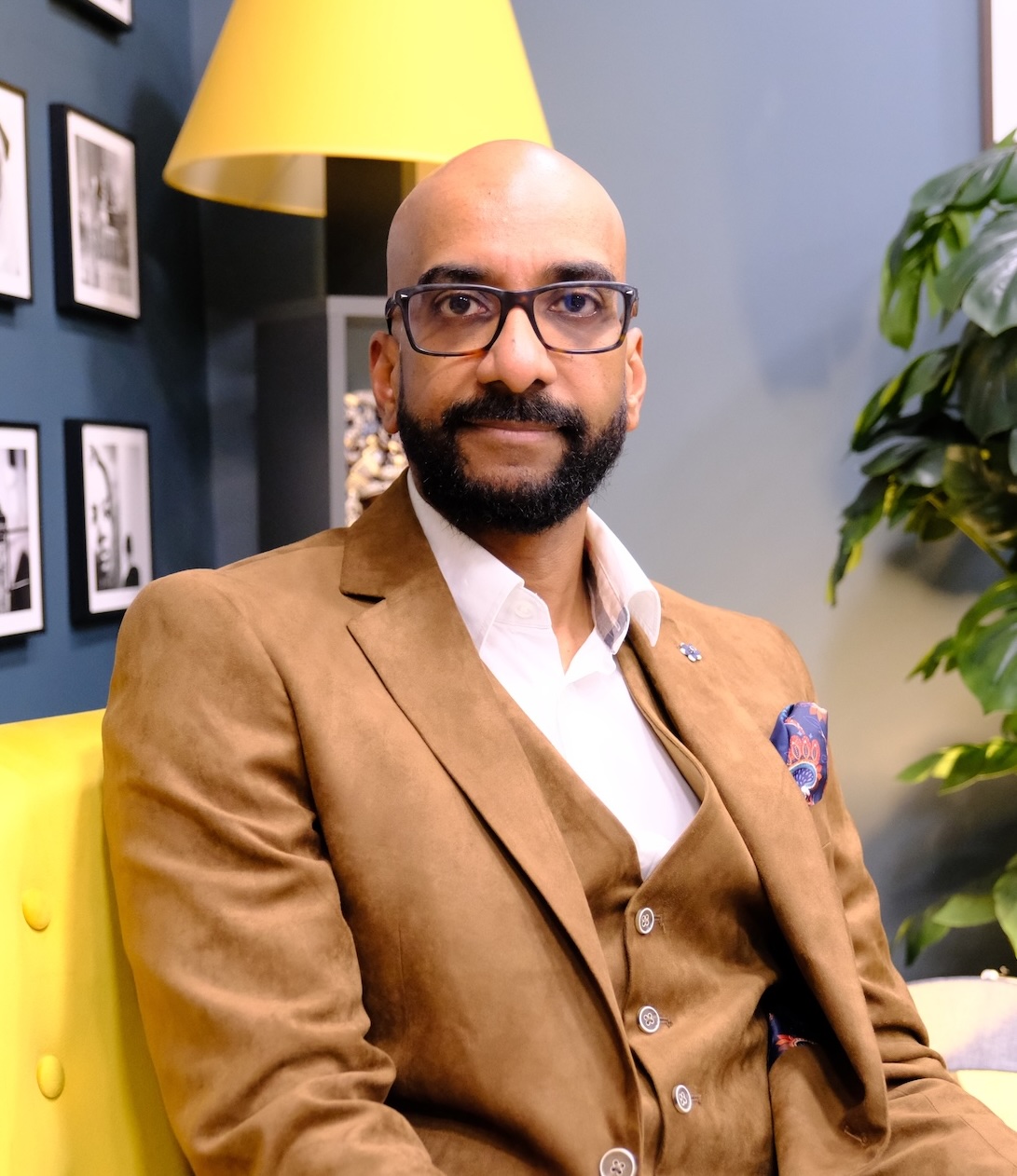 Mash Bonigala
 My first company almost ended before it started. I was twenty-three, working out of a room I could barely afford, with a business plan held together by enthusiasm and not much else. I needed money to build the first version of the product. I had no track record, no network, and no particular reason for anyone to trust me with their capital.
A man I’d met through a friend of a friend sat across from me at a cafe in London, listened to me talk for forty minutes, and wrote me a cheque. When I asked him why, he said something I’ve never forgotten: “I’m backing you, not the plan. Plans change. People don’t.”
That cheque changed my life. And I’ve spent thirty years trying to understand why.
Before the evidence
Every founder has a first believer. Someone who said yes before the metrics existed, before the traction was there, before the product worked properly. A person who looked at raw potential and decided it was enough.
This person might be a friend who invested their savings. A spouse who agreed to live lean for two years. A first employee who left a safe job because something about the founder’s conviction felt real. An early customer who paid for a product that was half-built because they trusted the person behind it.
The first believer almost never makes their decision based on the business. They make it based on the person. They see something, a quality of determination, a clarity of vision, a refusal to quit, and they decide that’s worth betting on. The spreadsheet comes later, if it comes at all.
Why it matters more than money
The cheque I received at that cafe was small by any venture standard. The amount almost doesn’t matter. What mattered was what it represented: someone else’s conviction that I could do this.
Founders carry an enormous amount of internal doubt, especially in the early days. You can believe in your idea completely and still lie awake wondering if you’re delusional. The gap between confidence and certainty is vast, and every founder lives inside that gap for years.
The first believer closes that gap, even if only temporarily. Their belief becomes a reference point. On the worst days, when nothing is working and the whole thing feels like a mistake, you remember that someone chose to back you. Someone looked at what you were building and decided it had a future. That memory carries more weight than any motivational book or conference talk.
It carries weight because it was a real person making a real decision with real consequences. Belief backed by action is the only kind that counts.
The chain reaction
What I’ve observed over thirty years is that the first believer creates a chain reaction. Once one person says yes, the next yes becomes easier. And the one after that becomes easier still.
This has very little to do with social proof in the way startup culture usually talks about it. It’s something deeper. The first believer gives the founder a subtle but permanent shift in how they carry themselves. They walk into the next meeting differently. They pitch with a different energy. They’ve been chosen, and that changes the way they present what they’re building.
I’ve watched this pattern repeat across hundreds of founders. The ones who find their first believer early move through the world with a quiet confidence that attracts more believers. The ones who go too long without one start to bend under the weight of building alone. The idea might be identical. The difference is whether someone showed up early enough to say “I see what you’re building, and I’m in.”
Becoming the first believer
Somewhere around my fourth company, I started writing cheques myself. And I realised that the most important investment decision I would ever make had nothing to do with market size, competitive dynamics, or unit economics.
It was this: can I look at this person and believe they will find a way through?
That’s the question the man at the cafe answered thirty years ago when he backed me. He looked at a twenty-three-year-old with no track record and saw something worth betting on. The plan I showed him that day bears zero resemblance to what the company eventually became. He was right to ignore it. The plan was irrelevant. The person was the investment.
Every cheque I’ve written since has been guided by the same principle. I back people, and I try to be early enough that my belief arrives before the evidence does. Because I know from personal experience what that early belief can do. It can turn a person who thinks they might be able to build something into a person who knows they will.
The debt you carry forward
You never fully repay your first believer. The cheque gets repaid, the returns get distributed, the formal obligations get settled. But the debt of someone believing in you before you had earned it, that stays with you.
The only way to honour it is to become that person for someone else. To sit across from a founder who has more conviction than proof, and to say yes when the spreadsheet says wait. To back the person when the plan is still rough and the product is still early and the only real signal is the look in their eyes when they talk about what they’re building.
Thirty years ago, a man I barely knew changed the trajectory of my life with a single decision. He saw something I couldn’t yet see in myself. That’s the most powerful thing one person can do for another in business, and it has nothing to do with the size of the cheque.
Find your first believer. And when you’ve built enough to have something to offer, become one.